On 13 February 2026, MSEDCL silently capped rooftop solar capacity for every consumer in Maharashtra — no gazette notification, no industry consultation, no warning. At Chirayu Power Pvt. Ltd., we believe you deserve to know what this means for India’s clean energy future.
— THE ISSUE —
A Policy Change That No One Announced
At Chirayu Power Pvt. Ltd., we install rooftop solar systems for homes and businesses across Khamgaon and Buldhana districts. Every day, we work with families making one of the most forward-thinking financial decisions of their lives — going solar. And every day since 13 February 2026, we have watched that decision get quietly, systematically blocked.
Maharashtra State Electricity Distribution Company Limited (MSEDCL) has implemented a sweeping change to how rooftop solar capacity is approved under the PM Surya Ghar – Muft Bijli Yojana scheme. Under the new system, a consumer’s permitted solar capacity is no longer based on what they need — it is based on what they consumed in the past twelve months.
No gazette notification. No official circular. No industry consultation. This change was applied directly through the online approval portal — silently, overnight, without a single word of warning to consumers, vendors or installers.
Previously, a consumer planning a 5 KW system — to power their home, charge an EV and run an AC — could simply request that capacity. Today, MSEDCL’s portal calculates their average monthly consumption from the past year and caps their solar system accordingly. If they were conserving power before going solar (as most do, because Maharashtra’s electricity tariffs are high), they get a smaller system than they actually need.
— THE CORE PROBLEM —
Punished for Being Responsible — The Paradox at the Heart of This Policy
There is a fundamental truth about rooftop solar that this policy ignores: electricity consumption naturally rises after solar installation.
Before going solar, families in Maharashtra actively suppress their energy use. They skip the AC on hot days. They delay buying an electric vehicle. They avoid the induction cooker, the washing machine, and the microwave — because every unit costs money. Once solar is installed, those constraints disappear. They live more freely, more comfortably, more modernly.
This is not recklessness — this is India’s electrification story, the very story PM Surya Ghar was designed to accelerate. MSEDCL’s formula punishes families for being energy-responsible before they go solar, and then denies them the system they actually need after they commit to it.
The groups hit hardest:
● New homeowners — A family with only 100 units of prior consumption now qualifies for just 1 KW. Between 15–20% of solar bookings come from new homes. All of them are now blocked.
● Housing societies — A society needing 80 KW was approved for just 10 KW because the portal assessed only a single meter’s 12-month history. This is now the norm.
● EV and appliance buyers — Families planning to buy an EV or install an AC cannot get the solar capacity to support those plans. The policy freezes them in their past.
● 50–60% of all residential consumers in Maharashtra are adversely affected. Over 60% of already-booked orders are at risk.
— SIDE BY SIDE —
One portal change. Thousands affected.
This Is Not Just Unfair — It May Be Unlawful
Sections 7 and 9 of the Electricity Act 2003 explicitly exempt power generation from licensing requirements. MERC Regulation 6.2 protects a consumer’s right to determine their own solar capacity. No formal amendment has been made. No gazette notification has been issued. A fundamental consumer right has been erased through a silent web portal change — and that is not how a rule-of-law-governed utility is permitted to operate.
— FOLLOW THE INCENTIVE —
Who Actually Benefits From This Restriction?
It is worth asking: if solar consumers are harmed, who gains? When a rooftop solar consumer generates surplus electricity, it flows back into the MSEDCL grid. MSEDCL banks those units and compensates the consumer at a feed-in tariff that is often a fraction — sometimes one-quarter — of what MSEDCL charges for the same unit. That arrangement already tilts heavily in MSEDCL’s favour. By restricting solar capacity, MSEDCL compounds those advantages:
● Zero infrastructure investment — consumers bear all capital costs; MSEDCL benefits from the output.
● No interest cost on banked consumer-generated units accumulated across the year.
● No transmission losses on locally generated, locally consumed rooftop power.
● Below-cost energy procurement — rooftop solar acquired at rates lower than MSEDCL’s own purchase price.
● Free RPO credits — additional Renewable Purchase Obligation compliance at zero cost.
Despite all of these advantages, MSEDCL has moved to restrict the very installations that deliver them — ostensibly citing grid stability, without a single data point or technical report to support that claim.
— LEGAL STANDING —
This Is Not Just Unfair — It May Be Unlawful
Sections 7 and 9 of the Electricity Act 2003 explicitly exempt power generation from licensing requirements. MERC Regulation 6.2 protects a consumer’s right to determine their own solar capacity. No formal amendment has been made. No gazette notification has been issued. A fundamental consumer right has been erased through a silent web portal change — and that is not how a rule-of-law-governed utility is permitted to operate.
— WHAT WE DID —
Standing Up: The Delegation at Khamgaon
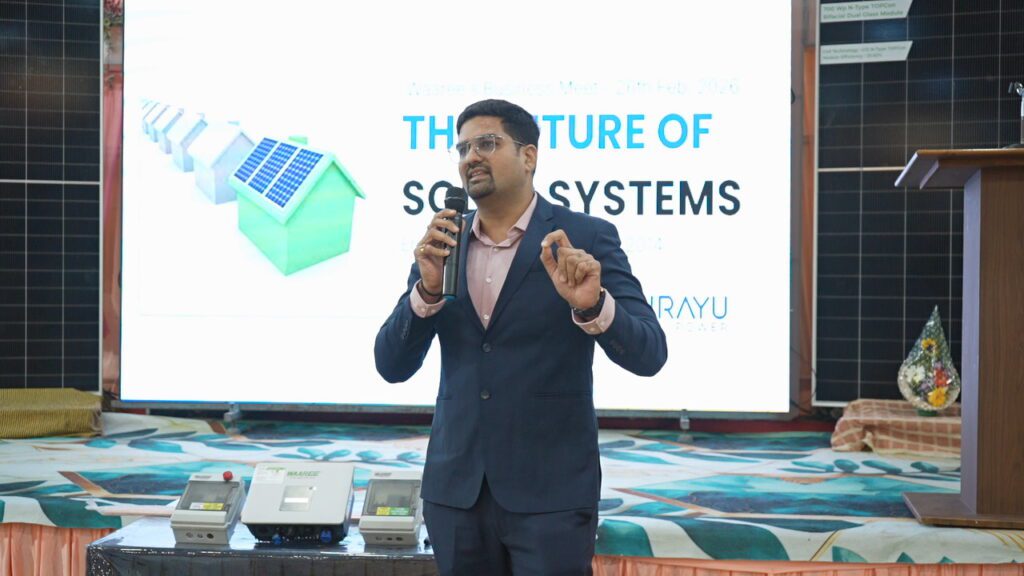
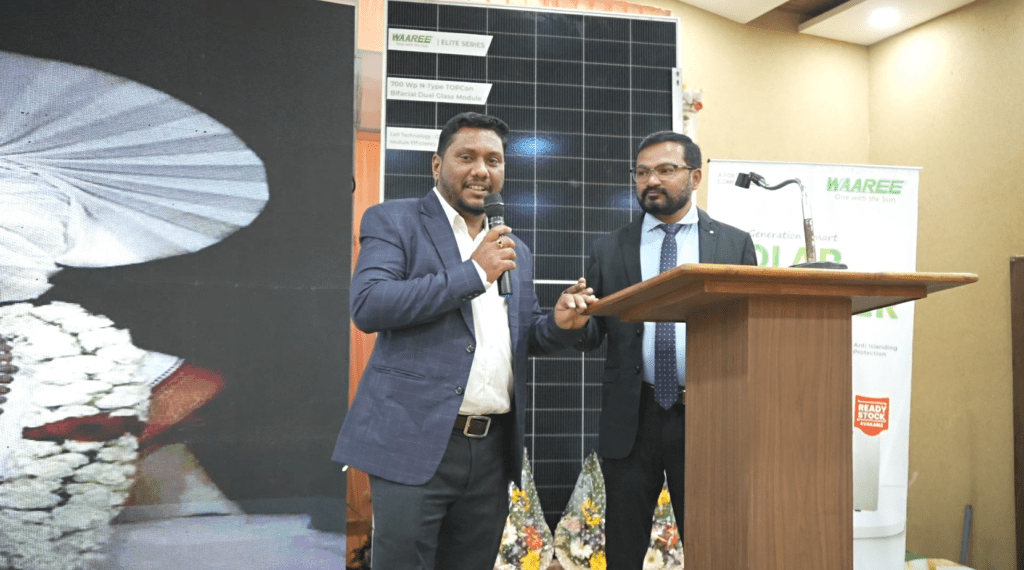
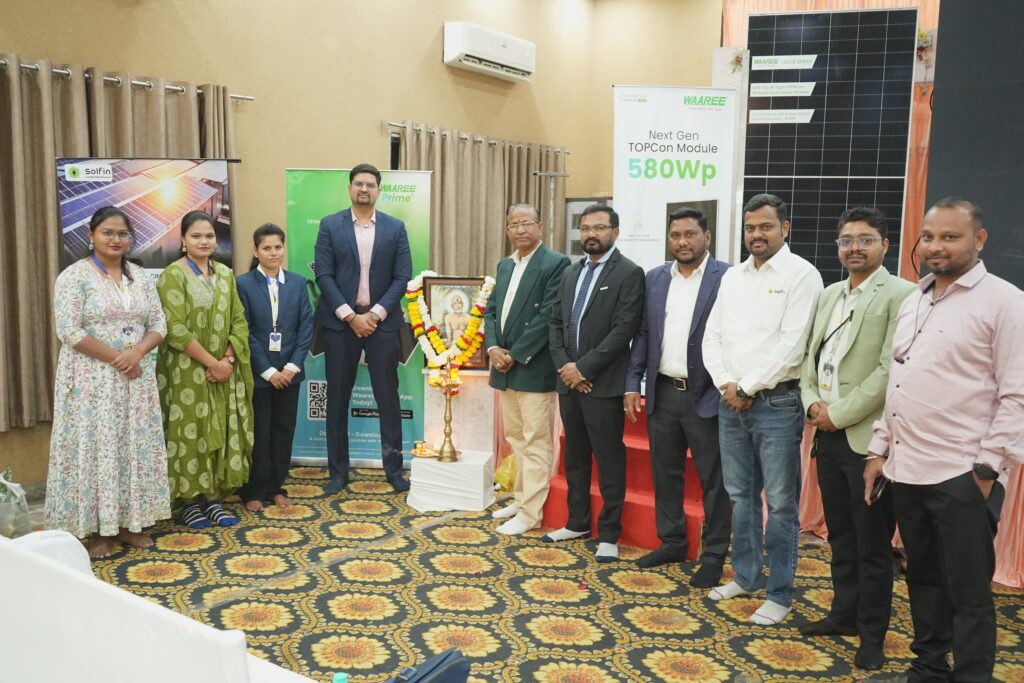
On 21 February 2026, Chirayu Power Pvt. Ltd. joined the Buldhana District Solar Vendors Association at the BJP Office, Khamgaon, for a formal delegation meeting with Hon. Labour Minister Shri Akashdada Fundkar (Maharashtra). We placed five clear demands before the Minister:
1. Immediately and unconditionally withdraw the new solar capacity restrictions under PM Surya Ghar – Muft Bijli Yojana.
2. Reinstate the previous framework, allowing consumers to choose capacity based on actual requirements.
3. Issue a clear, gazette-notified policy — and suspend all changes made without industry consultation.
4. Process all orders booked before 13 February 2026 under the original rules in place at the time of booking.
5. Ensure full compliance with the Electricity Act 2003 and all applicable MERC Regulations.
Outcome
Hon. Labour Minister Shri Akashdada Fundkar(Maharashtra). received the delegation with seriousness and extended his personal assurance of direct intervention with MSEDCL and the Maharashtra Government.
The All India Renewable Energy Association (AIREA) has independently warned that if MSEDCL does not reverse this policy within the week, a state-wide agitation will be launched across Maharashtra.
“The families who booked solar to charge their EV, to run the AC, to light their child’s study room at night — they were not being greedy. They were being forward-thinking. We entered this business because we believed clean energy belonged on every rooftop. These restrictions don’t just hurt our orders — they break the trust of every family that made a life decision based on a government promise. We are asking Maharashtra to act. Not tomorrow. Now.”
— Chirayu Power Pvt. Ltd. & Buldhana District Solar Vendors Association, Khamgaon · 21 February 2026
— OUR POSITION —
We Are Not Against the System. We Are Fighting for It.
At Chirayu Power Pvt. Ltd., we are committed to clean energy — not as a business proposition, but as a conviction. Maharashtra is India’s single largest rooftop solar market. It has the potential to lead the country’s energy transition. That potential is now being quietly, methodically dismantled by a portal change that nobody voted for, nobody approved, and nobody can officially point to.
We call on MSEDCL, MERC and the Maharashtra Government to place the consumer’s interest, India’s clean energy future and the Electricity Act 2003 at the centre of this conversation — and to act before more families, more businesses and more of India’s renewable potential are left in the dark.
If you are a solar consumer, vendor, industry professional or policy researcher who has been affected by this change, we would like to hear your story. Share it — the more voices that speak, the harder this is to ignore.
About Chirayu Power Pvt. Ltd.
We are a PM Surya Ghar authorised solar energy solutions provider based in Khamgaon, Buldhana, Maharashtra. We help homes and businesses across Pan India transition to clean, affordable solar energy — and we advocate for the policies and regulatory frameworks that make that transition possible for everyone.
Conclusion
MSEDCL’s unannounced policy change is not just a regulatory hurdle — it is a direct contradiction of PM Surya Ghar’s promise and a potential violation of the Electricity Act 2003. Thousands of families across Maharashtra are paying the price for a decision made without a single word of public notice.
At Chirayu Power Pvt. Ltd., we will not stand by while that happens. We have raised our voice, submitted our representation, and we will continue fighting until every consumer gets back the right to choose their own solar future.
If you have been affected — or are planning to go solar and want clarity on how these changes impact you — our team of 100+ solar experts is ready to help.
The sun is not going anywhere. Neither are we.
Karan Chopda
Director, Chirayu Power Pvt. Ltd.
🌐 www.chirayupower.com
📍 C-1/1, MIDC, Near Law College, Khamgaon, Buldhana, Maharashtra
Khamgaon · Buldhana · Maharashtra | Solar Energy Solutions | PM Surya Ghar Authorised Vendor