
Industrial electricity bills in Maharashtra comprise two substantial cost components: variable energy charges (per kWh) and fixed maximum demand charges (per kVA). Momentary manufacturing spikes—such as starting heavy induction motors, induction furnaces, or chillers—can trigger severe utility peak demand penalties for the entire billing month. By synchronizing high-output solar generation with energy storage, Chirayu Power enables factories to flatten their demand curves and shave high Time-of-Day (TOD) tariff peaks.





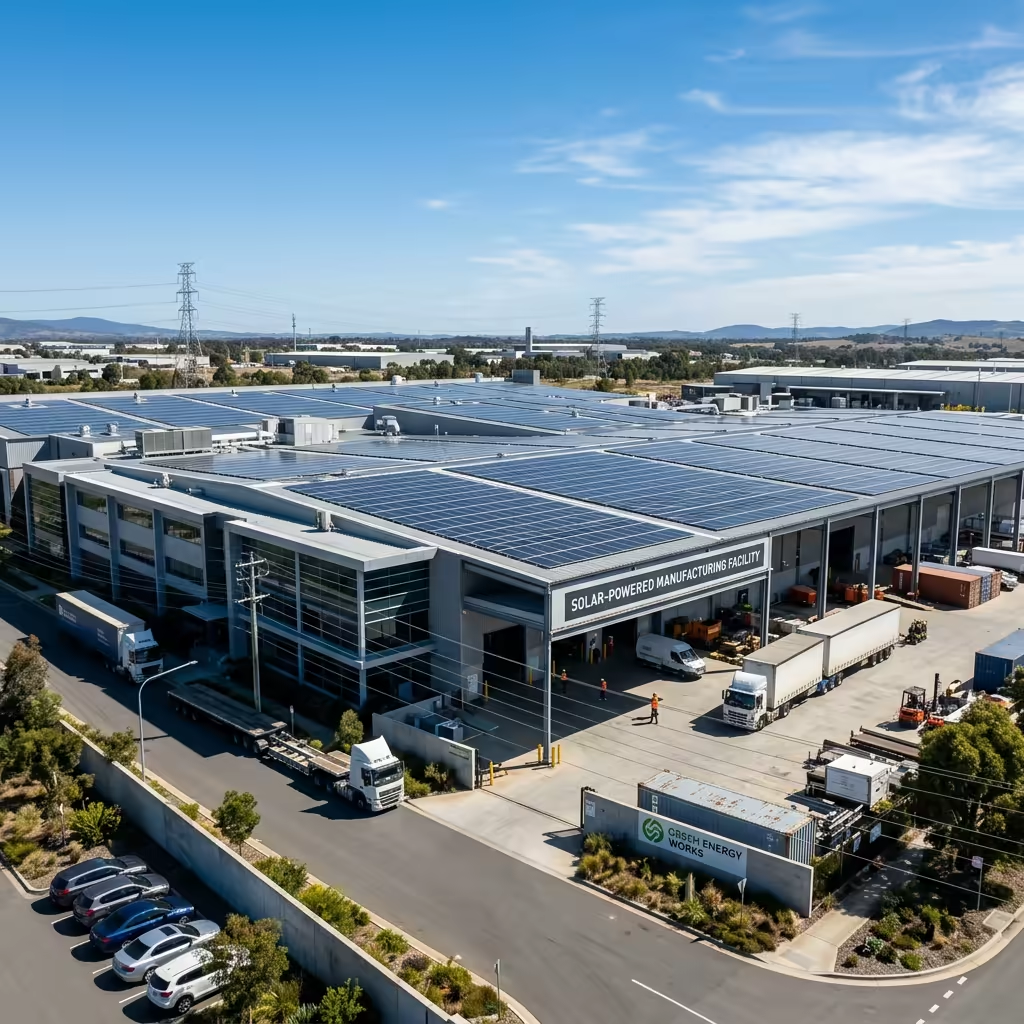
Aligning manufacturing shifts with solar generation bell curves.
Optimizing factory production schedules and equipment staging so that energy-intensive processes operate during peak solar generation hours (10:00 AM to 3:00 PM), automatically suppressing utility grid kVA draw.
Fabrication, textile weaving, plastics, and batch processing facilities with flexible machinery scheduling.
Solar generation directly absorbs high machinery spikes
Prevents monthly billing meter from registering peak draw
Pure software and scheduling optimization with zero added hardware
Peak demand charges often constitute 20% to 30% of total industrial power costs. Shaving these charges unlocks rapid incremental returns.
Shrink Contract Demand Charges
Fixed utility demand charges are billed on the highest 15-minute kVA reading in the month. Shaving that reading permanently reduces monthly overhead.
Avoid Peak Time-of-Day Surcharges
MSEDCL levies surcharges of ₹1.50 to ₹2.50 per unit during peak evening hours (18:00 - 22:00). Battery integration eliminates this penalty.
Free Up Substation Capacity
Shaving facility peak load creates electrical headroom, allowing you to add new manufacturing lines without expensive utility substation upgrades.
| Billing Parameter | Without Demand Management | With Solar Peak Shaving | With Solar + BESS Hybrid |
|---|---|---|---|
| Billing kVA Basis | Recorded peak demand spike | Lowered by daytime solar output | Capped strictly at custom setpoint |
| kVA Overdraw Penalties | High penalty rates apply | Substantially reduced | Completely eliminated (0% penalty) |
| Time-of-Day (TOD) Penalty | Full TOD surcharge payable | Morning TOD peaks displaced | Both morning & evening peaks shaved |
| Power Factor (PF) | Risk of lagging PF penalties | Managed via inverter control | Maintained at 0.98+ with rebates |
| Annual Demand Cost Savings | 0% (Standard utility bill) | 12% - 20% demand reduction | 30% - 45% total demand & TOD savings |